
Healthy Aging: Small Steps Today for Better Health Tomorrow

Getting older is a natural part of life, but how we age can be influenced by the choices we make and the healthcare we receive along the way.
Healthy aging isn’t about trying to stay young. It’s about maintaining your strength, independence, energy, and quality of life for as long as possible. Whether you’re in your 40s, 50s, 60s, 70s, or beyond, there are practical steps you can take today to protect your health for the years ahead.
1. Stay Ahead of Health Problems
Many common health conditions can develop gradually and may not cause obvious symptoms at first. High blood pressure, high cholesterol, diabetes, and thyroid problems are examples.
Regular checkups give you and your healthcare provider an opportunity to identify changes early and address them before they become more serious.
Depending on your age, health history, medications, and risk factors, your healthcare provider may recommend blood pressure checks, cholesterol testing, blood glucose or A1C testing, and other laboratory tests or screenings.
2. Keep Moving
Regular physical activity is one of the most important components of healthy aging.
Exercise can help maintain muscle, balance, mobility, cardiovascular health, and overall physical function. You don’t necessarily need a complicated exercise program. Walking, resistance training, gardening, cycling, swimming, and other activities you enjoy can all contribute to an active lifestyle.
Strength training becomes especially important as we age because adults naturally tend to lose muscle mass over time.
Before beginning a significantly different exercise program, particularly if you have an existing medical condition, talk with your healthcare provider about what is appropriate for you.
3. Make Nutrition a Priority
Healthy eating doesn’t have to mean following an extreme diet.
Focus on nutritious foods such as vegetables, fruits, lean protein sources, whole grains, beans, nuts, and other minimally processed foods. Adequate protein is particularly important for helping maintain muscle as we age.
Limiting excessive added sugar, highly processed foods, and oversized portions can also help with weight management and metabolic health.
4. Pay Attention to Your Numbers
Do you know your blood pressure? Your cholesterol? Your blood sugar?
These numbers can provide valuable information about your health even when you feel perfectly fine.
If you already have high blood pressure, diabetes, high cholesterol, thyroid disease, asthma, COPD, or another chronic condition, routine follow-up is an important part of keeping the condition under control.
5. Review Your Medications
As the years go by, it’s common to accumulate prescriptions, over-the-counter medications, vitamins, and supplements.
Bring an updated medication list to your healthcare visits. Periodically reviewing everything you take with your healthcare provider can help identify duplicate medications, possible interactions, medications that may no longer be necessary, or treatments that may need adjustment.
6. Don’t Ignore Mental Health
Healthy aging includes emotional and mental well-being.
Changes in sleep, persistent anxiety, depression, difficulty concentrating, or significant changes in mood shouldn’t automatically be dismissed as simply part of getting older.
Talk with a healthcare professional if you’re experiencing symptoms that concern you.
7. Keep Up With Preventive Care
Preventive healthcare needs change throughout adulthood.
Your recommended screenings and vaccinations will depend on factors such as your age, sex, medical history, family history, and individual risk factors. An annual physical is a good opportunity to review which preventive services are appropriate for you.
Your Health at Every Age
You can’t control everything about aging, but you can take an active role in your health.
Regular medical care, physical activity, good nutrition, appropriate screenings, and effective management of existing health conditions can help you work toward staying active and independent as you get older.
| Is It Time for Your Checkup? Community Quick Care provides primary care, annual physicals, laboratory testing, chronic disease management, and other healthcare services for adults throughout La Vergne, Smyrna, Antioch, and surrounding communities. If it has been a while since your last checkup, September is a great time to put your health back on your calendar. Schedule an appointment with Community Quick Care today. |

A Better Start: How One Simple Physical Sets Kids Up for a Strong School Year and a Safe Sports Season
A Better Start: How One Simple Physical Sets Kids Up for a Strong School Year and a Safe Sports Season
As summer winds down, kids are getting ready to return to classrooms, sports fields, and all the routines that come with a new school year. Parents are juggling supply lists, schedules, sign‑ups, and the usual mix of excitement and nerves. In the middle of all that, the back‑to‑school or sports physical can feel like just another appointment to squeeze in. But that quick visit often does far more than families realize.
Back‑to‑School: A Fresh Start for Growing Minds
The start of a new school year brings fresh energy—and sometimes hidden challenges. A back‑to‑school physical helps make sure kids are ready for the academic demands ahead. Providers check vision, hearing, posture, and overall wellness, catching small changes that can quietly affect learning and focus.
It’s also a chance to talk about sleep routines, nutrition, and emotional readiness. Growth spurts, screen time, and summer schedules can throw kids off balance, and a quick check‑in helps reset healthy habits before the first bell rings. When children walk into school feeling strong, rested, and confident, they’re better equipped to handle new subjects, new teachers, and new routines. That’s what these visits are really about—starting the year with clarity and calm.

Sports: Staying Safe While Staying Active
For student athletes, physicals are more than a formality—they’re a safeguard. As kids train harder and play longer seasons, their bodies change fast. A sports physical helps confirm they’re ready for practices, games, and the physical challenges ahead.
Providers look for early signs of strain, tightness, or imbalance that can lead to injury later. They also check breathing, flexibility, and endurance—key factors that keep athletes performing at their best.
Catching small issues early means fewer interruptions mid‑season and more confidence on the field. It’s a proactive step that keeps kids safe while letting them focus on what they love most—playing the game.
Support That Fits Real Life
Parents often leave these appointments with a sense of reassurance. It’s comforting to know your child is healthy, supported, and ready for what’s ahead. And when something does need attention, it’s far better to find it now than in the middle of a school week or sports season.
Community Quick Care makes these check‑ins simple. With same‑day availability, extended hours, and Saturday visits, families can get everything handled without disrupting busy routines. Whether your child is heading back to class, gearing up for a sport, or doing both, we’re here to help them start strong and stay safe all year long.

The Everyday UV Risks Most People Miss
Most people think of UV exposure as something that happens only on beach days or during a long afternoon outside. In reality, UV radiation is a quiet, everyday presence. It reflects off sidewalks, sneaks through car windows, and reaches your skin even when the weather looks gloomy. These hidden UV risks add up over time, and because they’re easy to overlook, they’re often the ones that do the most damage.
One of the biggest misconceptions is that UV harm is tied only to moments of obvious sunburn. But UV exposure accumulates like a savings account you never meant to open. Every walk to the mailbox, every school drop‑off, every cloudy‑day soccer game contributes to your lifetime UV load. Your skin remembers all of it. That’s why dermatologists emphasize daily protection rather than occasional protection. The small moments matter just as much as the big ones.

Another overlooked truth is that UV safety isn’t one‑size‑fits‑all. People with deeper skin tones often assume they’re naturally protected, and while melanin does offer some built‑in defense, it doesn’t eliminate risk. UV radiation can still cause hyperpigmentation, premature aging, and skin cancers that are often diagnosed later because symptoms are harder to spot. Every skin tone benefits from sunscreen, shade, and routine skin checks. UV safety is universal, not optional.
Kids and teens face their own unique challenges. They spend more time outdoors, they’re more likely to forget sunscreen, and their skin is still developing. Early UV damage has long‑term consequences, especially because nearly half of lifetime UV exposure happens before age 20. Teaching young people to protect their skin now sets them up for healthier habits and healthier outcomes later. Wide‑brim hats at recess, sunscreen in sports bags, and shade breaks during summer activities make a real difference.
UV Safety Month is a reminder that protecting your skin isn’t just about avoiding sunburn. It’s about staying aware of the invisible risks, understanding how exposure builds over time, and making small daily choices that support lifelong skin health. Prevention and early detection work best when they’re part of your routine. At Community Quick Care, your skin’s long‑term wellbeing is always front and center. Their team doesn’t just screen for skin cancer, they help you understand how everyday UV exposure affects different skin tones, how early habits shape future risk, and how to keep kids and teens protected without limiting their time outdoors. If you’re ready to take a proactive step this UV Safety Month, Community Quick Care is ready to support you every day of the year.

Understanding Tirzepatide: A New Option for Effective, Sustainable Weight Loss
Tirzepatide is one of the newest and most promising medications available for people looking for a safe, structured way to lose weight. It works by targeting two natural hormones in the body that help regulate appetite, fullness, and blood sugar. By supporting these pathways, Tirzepatide helps people feel satisfied with smaller portions, experience fewer cravings, and maintain steadier energy throughout the day. For many patients, this combination leads to steady, meaningful weight loss without extreme dieting.
One of the biggest reasons Tirzepatide has gained attention is its strong track record in clinical studies. Patients using it often see significant improvements in weight, metabolic health, and overall well-being. Because it works with the body’s own hormone signals, it is generally well tolerated. Most people experience only mild, temporary side effects as their body adjusts. As always, anyone considering a new medication should speak with a qualified healthcare professional to make sure it is appropriate for their health needs.
Many people recognize Semaglutide by its brand names Ozempic and Wegovy, which have become widely known for weight loss support. Tirzepatide is newer, and while many clinics use it in its compounded form, its FDA approved brand names are Mounjaro (for diabetes) and Zepbound (for weight loss).
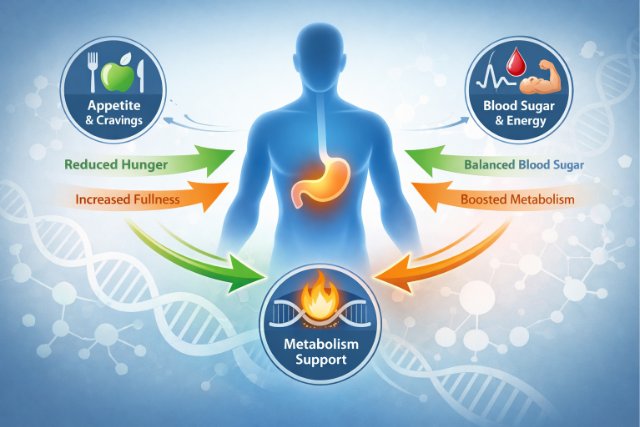
Both medications help regulate appetite, but they work a little differently. Semaglutide targets a single hormone receptor that helps control hunger and fullness. Tirzepatide targets two receptors instead of one, giving it a dual action that can lead to stronger appetite control and more steady weight loss for some patients.
Because of this dual pathway, people who didn’t see the results they hoped for with Semaglutide sometimes respond better to Tirzepatide. Others appreciate that Tirzepatide may help reduce plateaus that can happen with single pathway medications. It isn’t that one medication is universally better, but Tirzepatide is often preferred when someone wants a more comprehensive approach or has already tried Semaglutide without the progress they expected.
Why Patients Choose Tirzepatide
People often choose Tirzepatide because it offers
- Stronger appetite control
- More consistent weight loss
- Support for blood sugar balance
- A good option when Semaglutide results have stalled
It is designed to help patients make realistic, sustainable changes rather than relying on restrictive diets or intense programs that are hard to maintain long term.
Learn More Through Community Quick Care
Community Quick Care is now offering Tirzepatide as part of its medical weight loss program, alongside Semaglutide for those who prefer it. If you are curious about which option may be right for you, reach out to their team for guidance, support, and transparent pricing. Call (615) 213-2273 to learn more or schedule a consultation.

Spring Cleaning for Your Health – 10 Quick Fixes That Make a Big Difference
Spring has always been a natural reset point. We clear out closets, scrub down the house, and reorganize the parts of life that got cluttered over the winter. Your health deserves the same kind of attention. A handful of simple checkups and quick procedures can set you up for a healthier, more energized season.
These ten tasks are straightforward, practical, and can be handled in a single visit at a primary care clinic. Think of them as the health equivalent of opening the windows and letting the fresh air in.
1. Start with an Annual Physical. A yearly physical is the foundation of preventive care. It gives you a full picture of your current health, identifies early warning signs, and helps you make informed decisions for the year ahead. Spring is an ideal time to get this done before summer schedules get busy.
2. Review Your Immunization Status. Vaccines are not just for children. Adults benefit from staying current on routine immunizations, especially if they plan to travel, work in public-facing roles, or have chronic conditions. A quick review ensures you are protected and up to date.
3. Reassess Asthma and Allergy Management. Seasonal changes can trigger breathing issues, even for people who typically manage well. A brief evaluation can help fine-tune inhalers, adjust allergy medications, and prevent flare-ups as pollen levels rise.
4. Update Your Core Health Numbers. Routine labs such as glucose, A1C, cholesterol, and urinalysis provide essential insight into your metabolic and cardiovascular health. These tests are quick, and the results can guide meaningful lifestyle adjustments.

5. Check Your Blood Pressure and Medication Needs. Hypertension and high cholesterol often develop quietly. A simple blood pressure check and medication review can help you stay ahead of potential complications and ensure your treatment plan is still appropriate.
6. Address Hearing Changes or Ear Wax Buildup. Hearing changes are often caused by something as simple as wax buildup. A professional cleaning can restore clarity and comfort, especially after a dry winter when buildup is more common.
7. Take Care of Minor Foot or Skin Irritations. Small issues like ingrown toenails, irritated skin spots, or minor lesions tend to get ignored until they become painful. Spring is a practical time to resolve them before warm-weather activities begin.
7. Take Care of Minor Foot or Skin Irritations. Small issues like ingrown toenails, irritated skin spots, or minor lesions tend to get ignored until they become painful. Spring is a practical time to resolve them before warm-weather activities begin.
9. Revisit Mental Health and Focus. A new season often brings new routines, responsibilities, and stressors. A brief check-in about mood, anxiety, or focus can help you recalibrate and get support if needed.
10. Get Clarity with Rapid Testing. If you have lingering symptoms or concerns you’ve been putting off, rapid testing can provide answers. Whether it’s a sore throat, a persistent cough, or a question about exposure, quick diagnostics help you move forward with a clear plan.
A Practical Way to Stay on Top of Your Health
Community Quick Care makes it easy to take care of these health tasks with walk-in availability, urgent care hours, and a team of Physician Assistants and Nurse Practitioners who prioritize listening and individualized care. Their clinics handle everything from routine labs to minor procedures to chronic condition management.
Community Quick Care makes it easy to take care of these health tasks with walk-in availability, urgent care hours, and a team of Physician Assistants and Nurse Practitioners who prioritize listening and individualized care. Their clinics handle everything from routine labs to minor procedures to chronic condition management.
When you are ready to schedule your spring health reset, you can book right on line. Get ready now for a wonderful spring ahead!